HKAA-professional custom CNC machining parts manufacturer with quality CNC machining centers


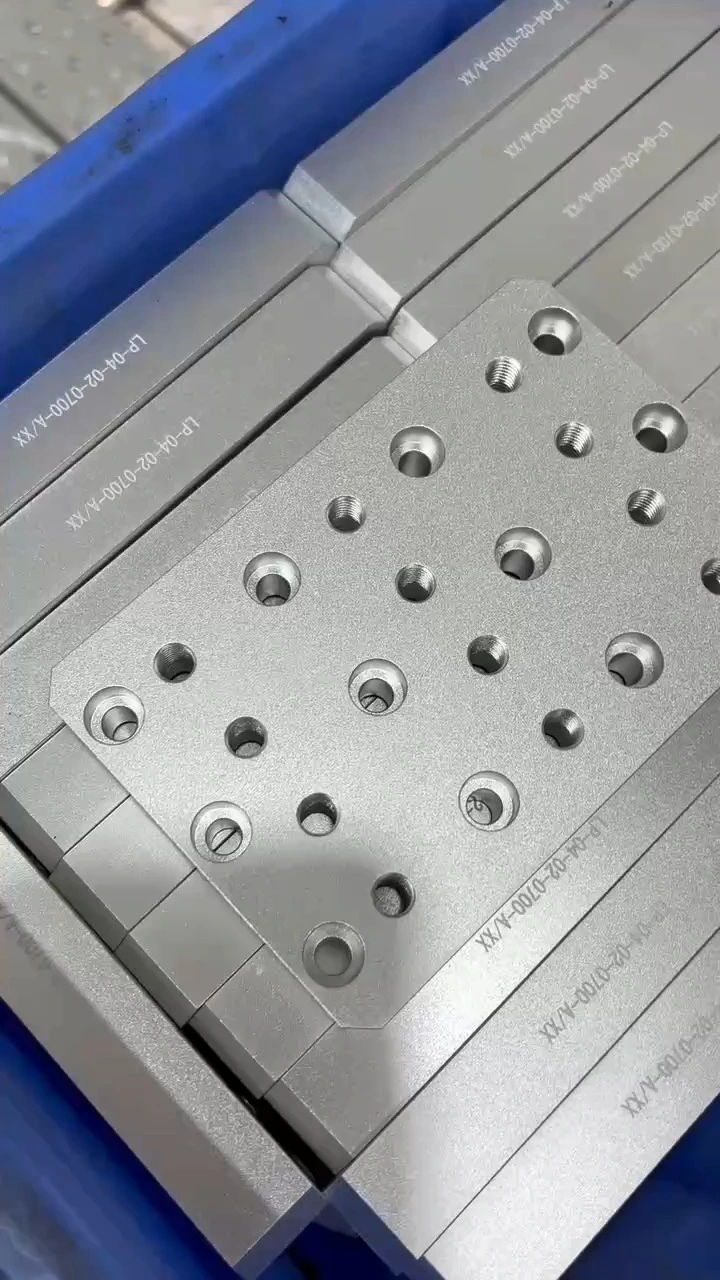


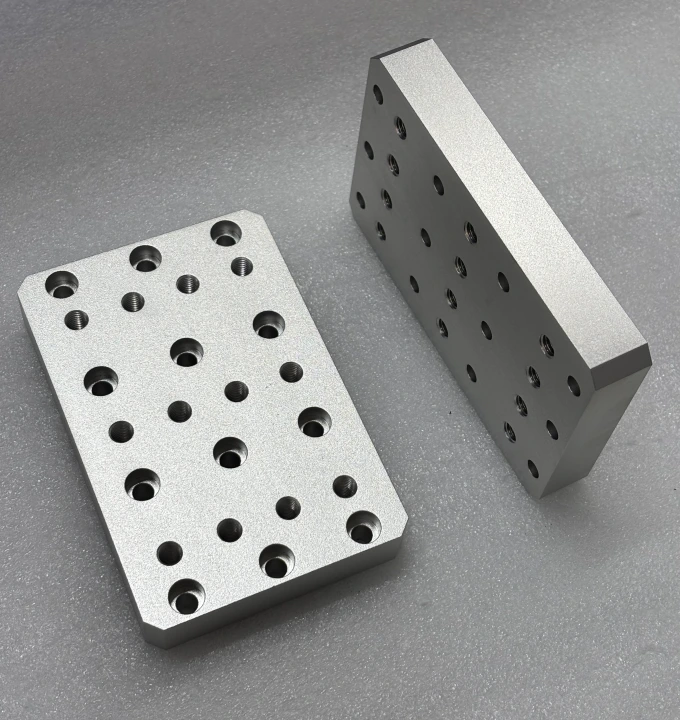


CNC machining mounting plate
In the field of factory hardware processing, the anodizing and sandblasting process for customized aluminum plates has its unique charm.
Aluminum plates are highly favored due to their characteristics such as light weight and corrosion resistance. Customization meets the unique requirements of different mechanical equipment for the shape, size, and performance of parts. Anodizing is a crucial step. Through an electrochemical method, an oxide film is formed on the surface of the aluminum plate, enhancing its hardness, wear resistance, and corrosion resistance. The sandblasting treatment further optimizes the appearance and texture. By impacting with a high-speed sand stream, a uniform frosted effect is presented on the surface of the aluminum plate, not only improving the aesthetic appeal but also increasing the surface friction, which is beneficial for subsequent assembly and use.
HKAA excels in producing high-quality, personalized aluminum components. These components play a crucial role in enhancing the performance of machinery across diverse industries.
High-speed CNC aluminum machining, aluminum high-speed milling
CNC aluminum machining, high speed aluminum machining
Aluminum Machining Process
Custom CNC Machined Aluminum Mounting Plates
A mounting plate connects components through a defined pattern of holes, slots and mounting faces. HKAA machines custom aluminum plates from customer drawings, with attention to the features that locate and secure the assembled components. Specify the plate outline, thickness, hole coordinates and finishing requirements when requesting a quotation.
Features to Define on Your Drawing
- Mounting faces: identify the face that contacts the assembly and any flatness or parallelism requirements.
- Hole patterns: dimension holes from clear datums and distinguish clearance holes, threaded holes and locating features.
- Recesses and slots: specify counterbores, countersinks, pocket depths and slot adjustment ranges.
- Edges: indicate chamfers, corner radii and areas requiring particular deburring attention.
Hole position and the relationship between mounting faces can matter more than the outside profile. Mark critical features on the drawing so machining and inspection can focus on the dimensions that control fit.
Aluminum Grade and Plate Thickness
Please identify the required alloy and temper rather than specifying only aluminum. Material choice depends on stiffness, loading, corrosion exposure and finishing needs. Plate thickness and the amount of material removed can also affect how the part behaves during machining.
For a thin plate or a design with large pockets, discuss workholding and flatness requirements during quotation review. A dimension that applies after surface treatment should be identified explicitly.
Anodizing and Sandblasting Requirements
For anodized mounting plates, define the treatment specification, color and surfaces to be masked. Coating buildup can affect close fits and threads, so mating areas and dimensions requiring control after finishing should be marked on the drawing.
Sandblasting changes the surface texture. Specify whether it is needed before anodizing and identify visible faces where appearance is important. A reference sample or an agreed finish requirement helps communicate expectations more clearly than a general request for a matte surface.
Assembly and Inspection Review
Provide the mating component dimensions where they are necessary to understand the fit. Locating holes, adjustable slots and threaded connections should have clearly defined functions. Include any required inspection records and the measurement condition for flatness or other geometry requirements.
Browse our custom CNC machined aluminum parts and CNC milling services for related manufacturing options. Components with angled or multiple-side features may also benefit from a review of 3, 4 and 5-axis aluminum machining.
If your assembly requires a sleeve feature together with the mounting interface, review our shaft sleeve connector with mounting plate for the bore-fit and alignment information needed for quotation.
Information Needed for a Mounting Plate Quotation
- 2D drawing and a 3D model if the plate includes pockets or complex features.
- Aluminum alloy, temper, plate dimensions and required quantity.
- Hole sizes, thread specifications, datums and critical tolerances.
- Anodizing, sandblasting, masking and visible-surface requirements.
- Inspection, packaging and requested delivery requirements.
Use the inquiry form on this page to tell us about your mounting plate project. The drawing review establishes the process, finish and inspection requirements before production is agreed.
Frequently Asked Questions
Should hole positions be dimensioned from the plate edge?
Use datums that represent how the plate locates in the assembly. Depending on the design, these may be an edge, a mounting face or a locating hole. Clear datum references help avoid ambiguity.
Will anodizing affect the fit?
It can affect dimensions and mating surfaces. Specify critical fits and masking requirements before machining, and indicate which dimensions must comply after finishing.
What should I provide if the plate must stay flat?
State the required flatness, the surface it applies to, the material and thickness, and how the part will be measured or supported. These details allow the manufacturing approach to be reviewed against the functional requirement.
Do You Have Any Questions? Contact Us Now.
We can offer a one-stop station service, and support the latest in CNC machining and turning processes, can support a high level of part complexity, and provide exceptional surface finishes.