HKAA-professional custom CNC machining parts manufacturer with quality CNC machining centers


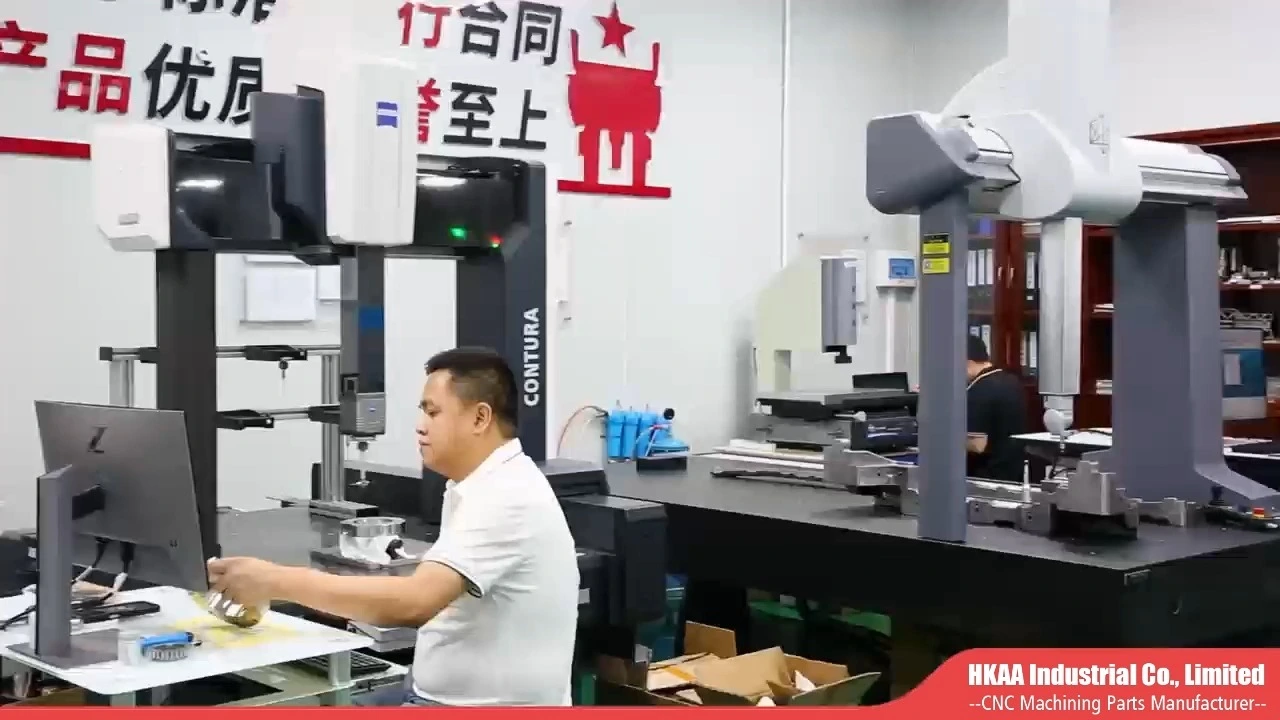

3 Axis CNC Machining Aluminum Parts--Precision Crafting for Diverse Industries
What sets our 3 Axis CNC Machining Aluminum Parts apart is the versatility in production. From simple brackets to complex structural components, our 3-axis machines ensure consistent precision across batches, reducing waste and ensuring cost-effectiveness. We use premium aluminum alloys, combined with precise tooling, to create parts that resist corrosion and maintain stability under varying conditions.
Partner with us for 3 Axis CNC Machining Aluminum Parts that elevate your projects. With rapid turnaround times and a focus on quality, we deliver components that fit seamlessly into your assemblies, driving performance and reliability. Contact us today to discuss your specifications—let our expertise in 3 Axis CNC Machining Aluminum Parts power your success.
We accept OEM/ODM orders with full confidentiality. Whether you need prototype samples or mass production, HK AA Industrial is your reliable partner in precision parts.
📩Email:tania@hkaacoltd.com
📱Tel/Whatsapp:0086 -15820954056
3-Axis CNC Machined Aluminum Parts for Accessible Features
Three-axis CNC machining is an option for aluminum components with faces, pockets, slots and hole patterns that a tool can reach from a fixed orientation. HKAA reviews customer drawings to determine the machining setups and workholding required. This page focuses on the features and drawing details relevant to three-axis work.
Features That Suit a Three-Axis Review
- Flat mounting faces and stepped surfaces.
- Open pockets and slots accessible from above.
- Drilled, counterbored and threaded holes with clear tool access.
- Profiles and recesses that can be reached without tilting the tool.
A component may require machining from more than one side. Repositioning the part does not automatically rule out three-axis machining, but the drawing should identify the dimensional relationships that must be maintained between setups. See our custom aluminum mounting plates for related hole-pattern and mounting-face requirements.
Pocket Depth, Corner Radii and Tool Access
Internal corners made by a rotating cutting tool have a radius. Specify a practical internal radius where the design allows it, and identify areas that need clearance for a mating part. Deep, narrow pockets and tall thin walls can limit tool access or affect stiffness during machining; include these features in the quotation review.
Undercuts, angled holes and features hidden from the tool may require another operation, a different setup or an alternative machining approach. For a broader comparison, review our 3, 4 and 5-axis aluminum machining options.
Drawings, Material and Critical Dimensions
Provide the aluminum alloy and temper, overall dimensions and the quantity required. Use a dimensioned drawing to identify threads, surface roughness, datums and critical fits. A 3D model helps communicate the geometry, while the drawing explains the manufacturing and inspection requirements.
Apply tight tolerances to the features that need them for function. Explain how the part locates in the assembly so the setup and inspection approach can be reviewed against the actual fit requirement.
Finishing and Inspection
If anodizing, blasting or another specified finish is required, mark the treated surfaces and any masking areas. State which dimensions apply after finishing. Identify visible faces separately from functional mating faces when appearance and dimensional control have different requirements.
Include the critical dimensions to be reported and any required inspection documentation with the RFQ. Acceptance requirements should be agreed before production.
Request a Three-Axis Machining Quotation
- Send a 3D model and dimensioned 2D drawing, when available.
- Specify material, quantity, surface finish and requested delivery date.
- Mark critical dimensions and features that relate across different sides.
- Describe inspection, marking and packaging requirements.
Use the inquiry form on this page for a drawing review. You can also explore our CNC milling services for related manufacturing options.
Frequently Asked Questions
Can three-axis machining produce features on several sides?
Yes, where suitable setups and fixtures provide access. The number of setups and the tolerances between faces must be considered when reviewing the drawing.
Are sharp internal pocket corners possible with standard milling?
A rotating tool leaves an internal radius. If a mating component needs corner clearance, show the required relief or discuss a design adjustment during quotation review.
Should every aluminum part use five-axis machining?
No. Tool access, geometry and critical relationships determine the useful process. An accessible part can often be reviewed around a simpler three-axis approach.
Do You Have Any Questions? Contact Us Now.
We can offer a one-stop station service, and support the latest in CNC machining and turning processes, can support a high level of part complexity, and provide exceptional surface finishes.